Moonlight at Dodge Island Cemetery: Exploring Attleboro’s Hidden History
- October 31, 2026
October 29, 2026 | Attleboro Historic Preservation Society
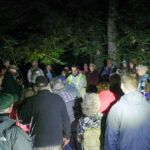
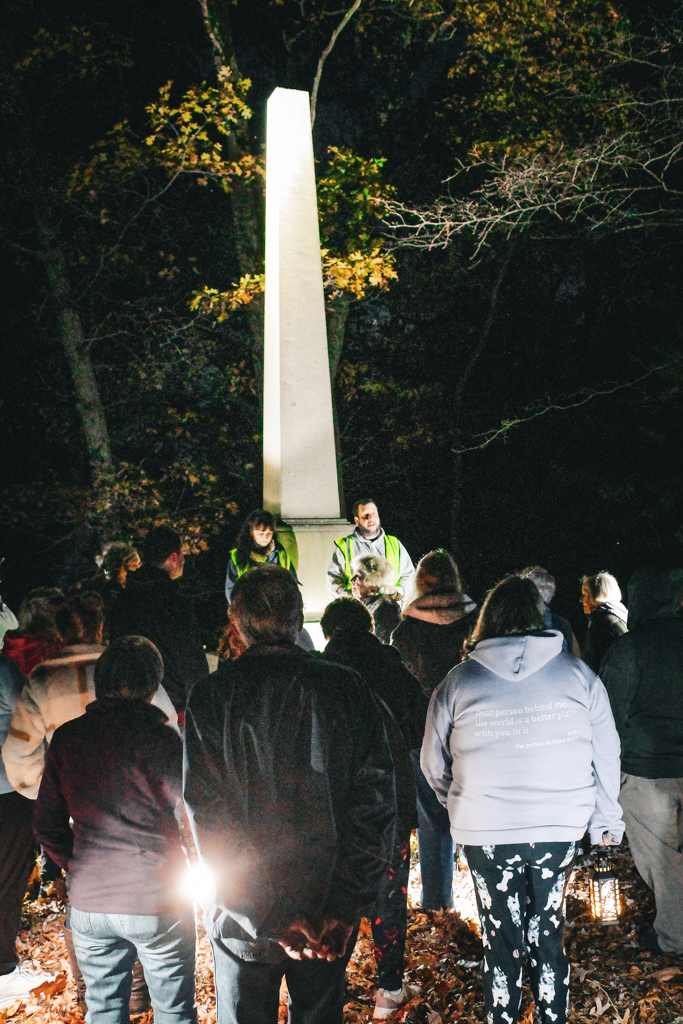
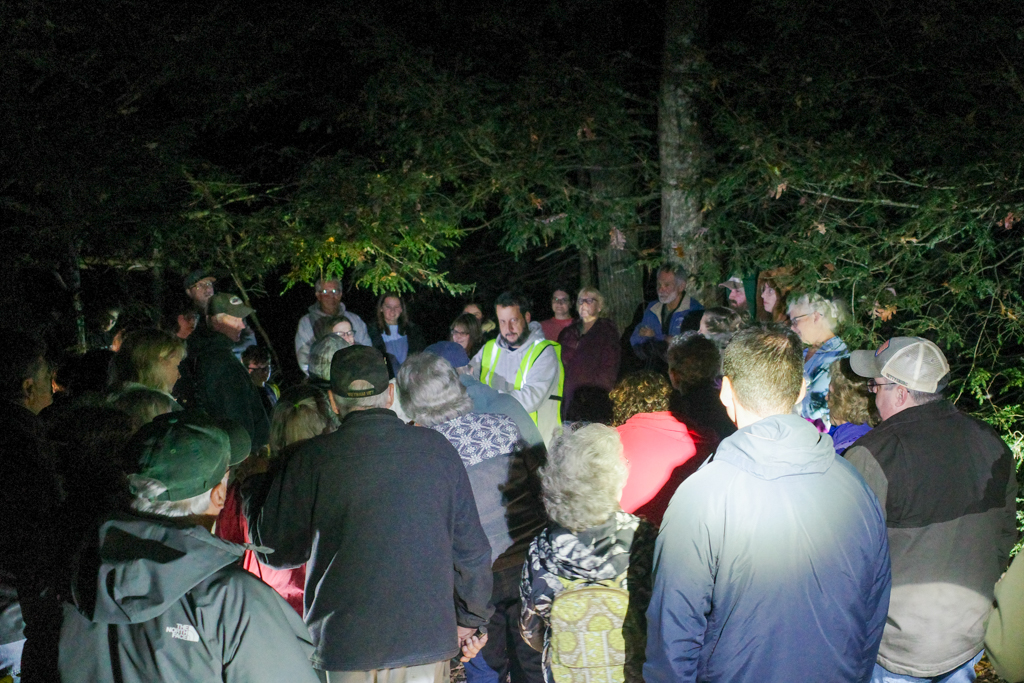
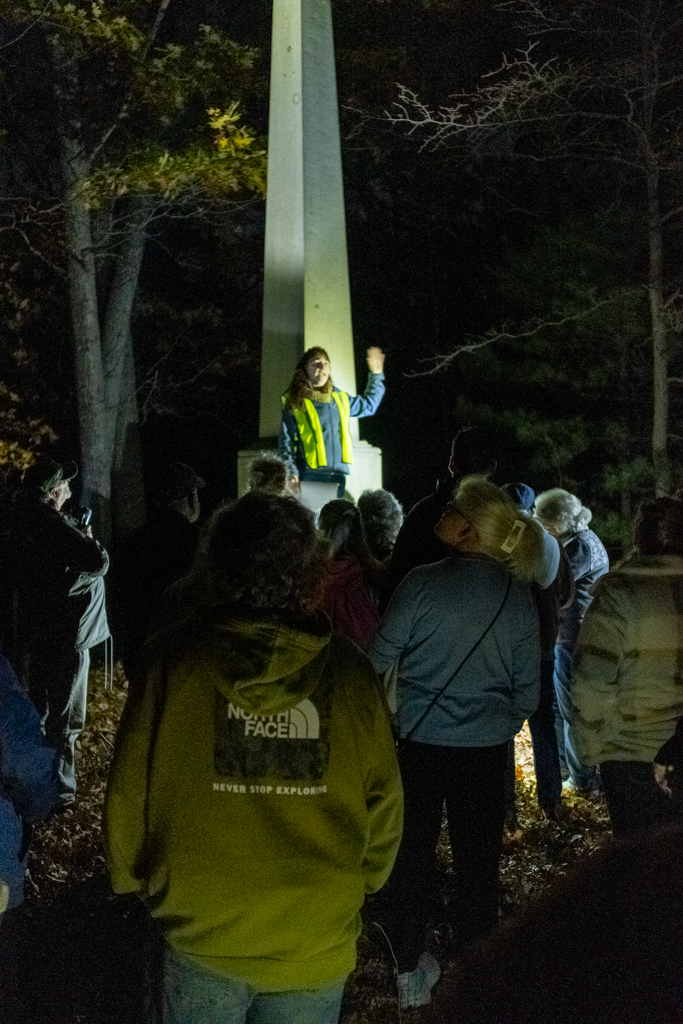
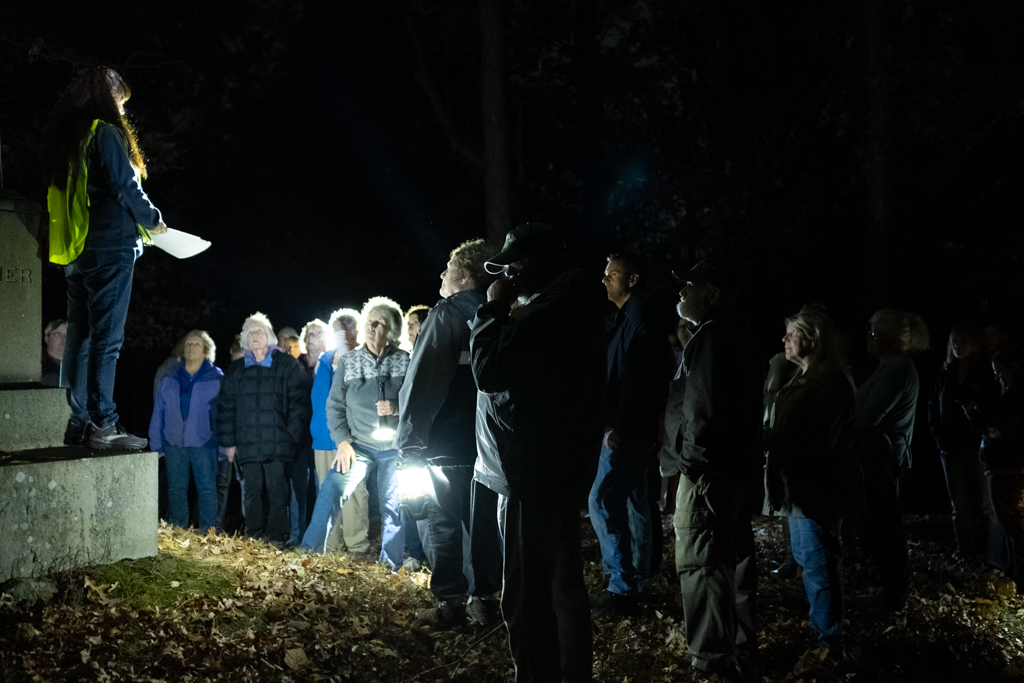
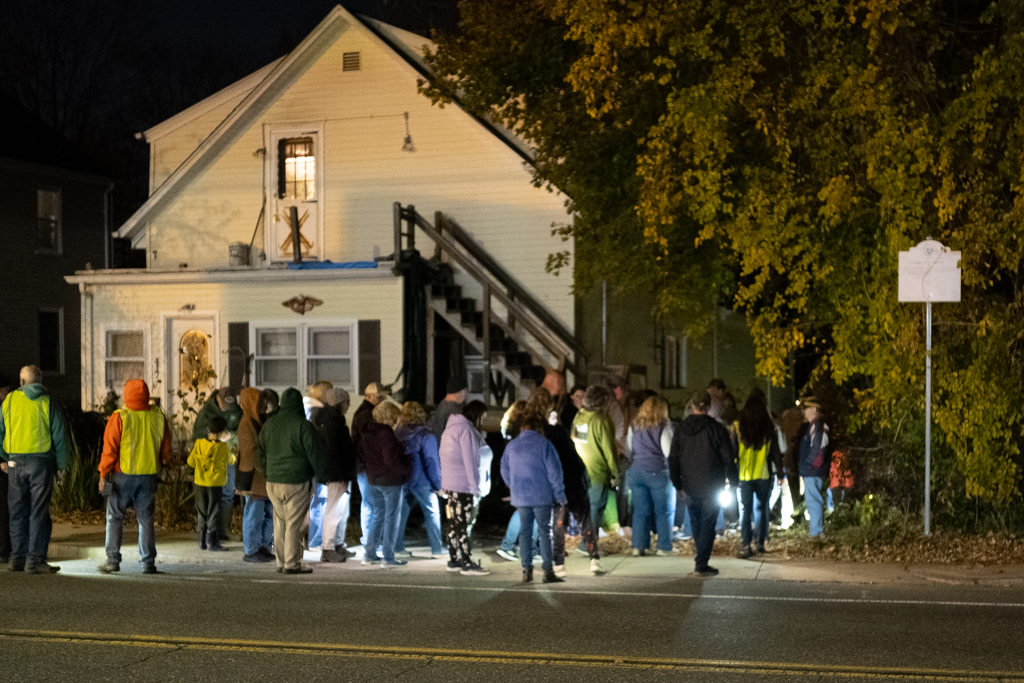
On Thursday, October 29, approximately 60 visitors gathered for a special evening of moonlight tours at Dodge Island Cemetery, presented through a collaboration between the Friends of the Ten Mile River and the Attleboro Historic Preservation Society (AHPS).
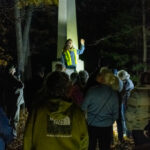
Led by Ben of the Friends of the Ten Mile River and Rachel of AHPS, the evening offered a fascinating look into the history of Dodgeville, the Dodge family, and the industrial heritage of the Ten Mile River.

A Walk Into Attleboro’s Past
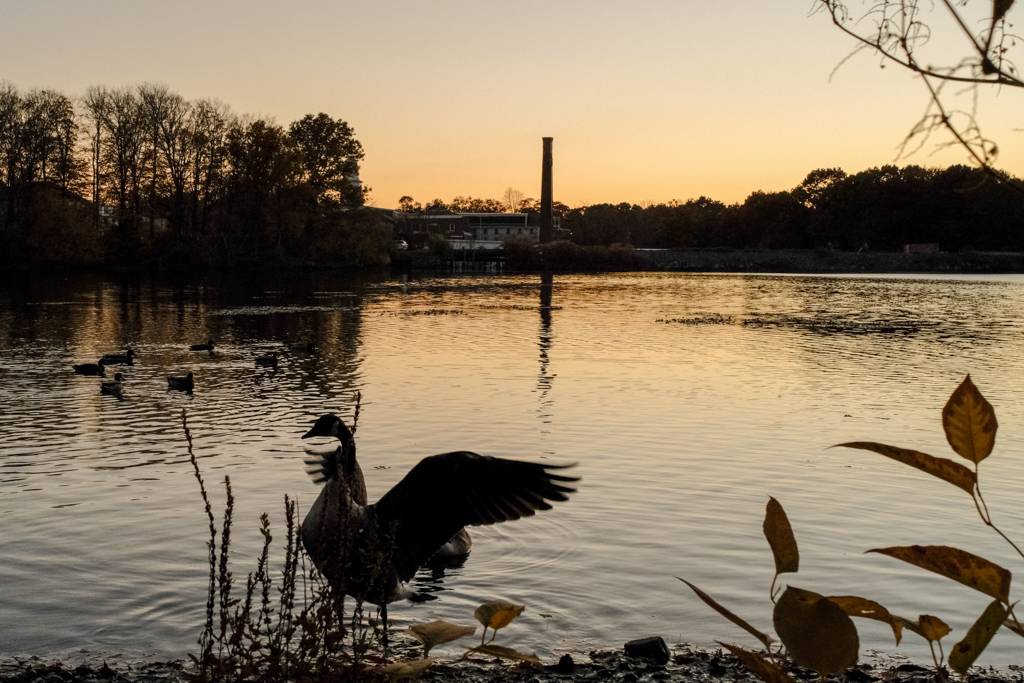
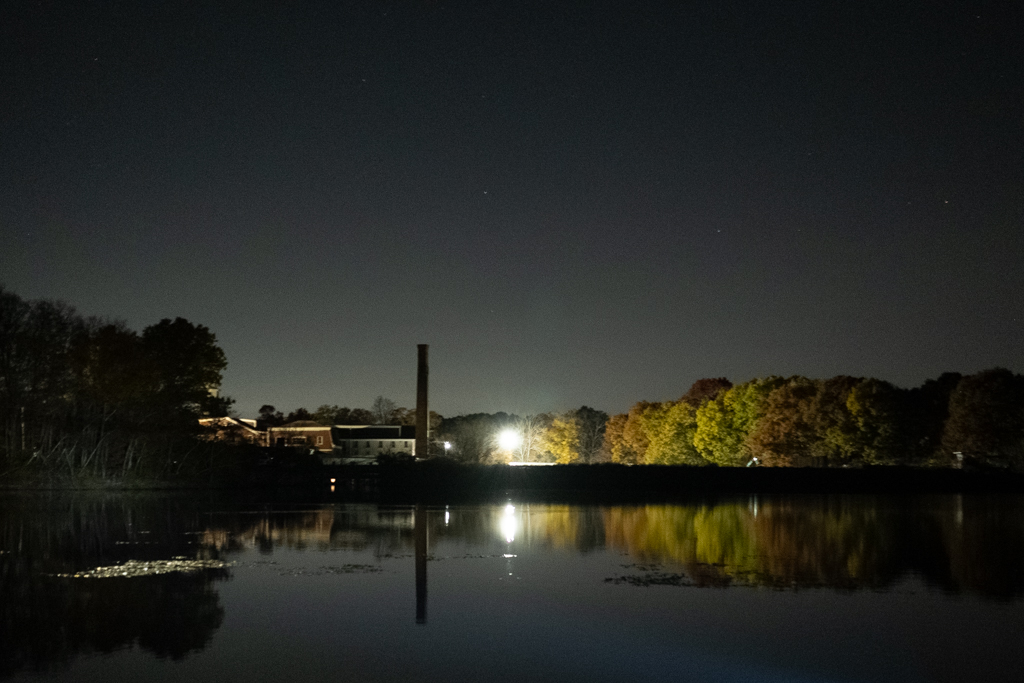
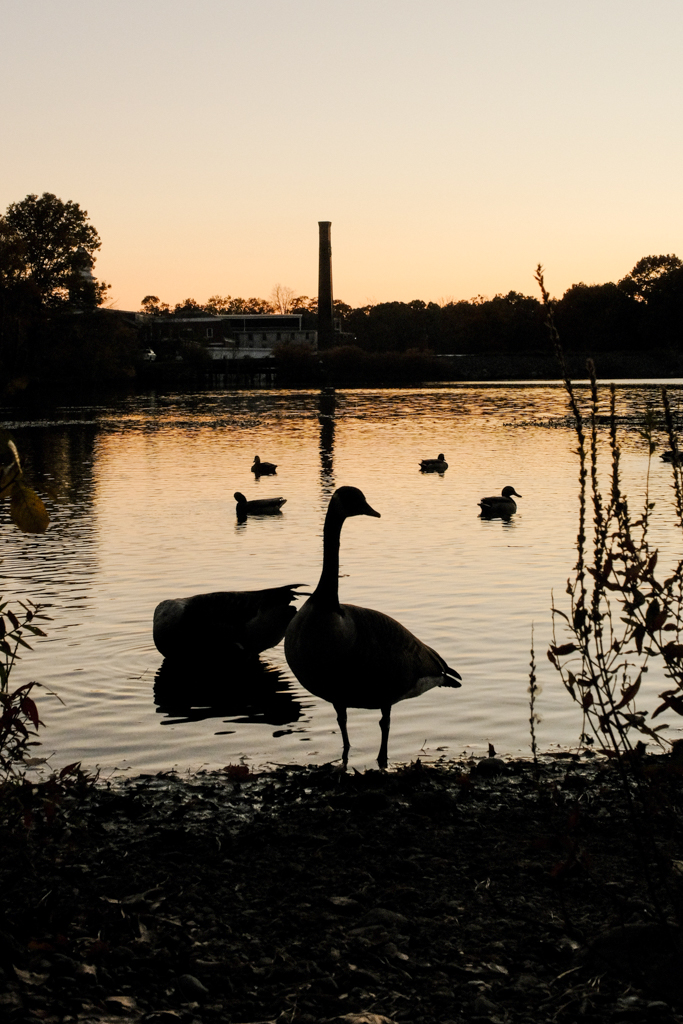
As the sun set over Dodgeville Pond, visitors made their way along a short wooded path toward the historic cemetery. Geese and ducks could be seen on the water, while squirrels moved through the fallen autumn leaves, adding to the atmosphere of the evening.
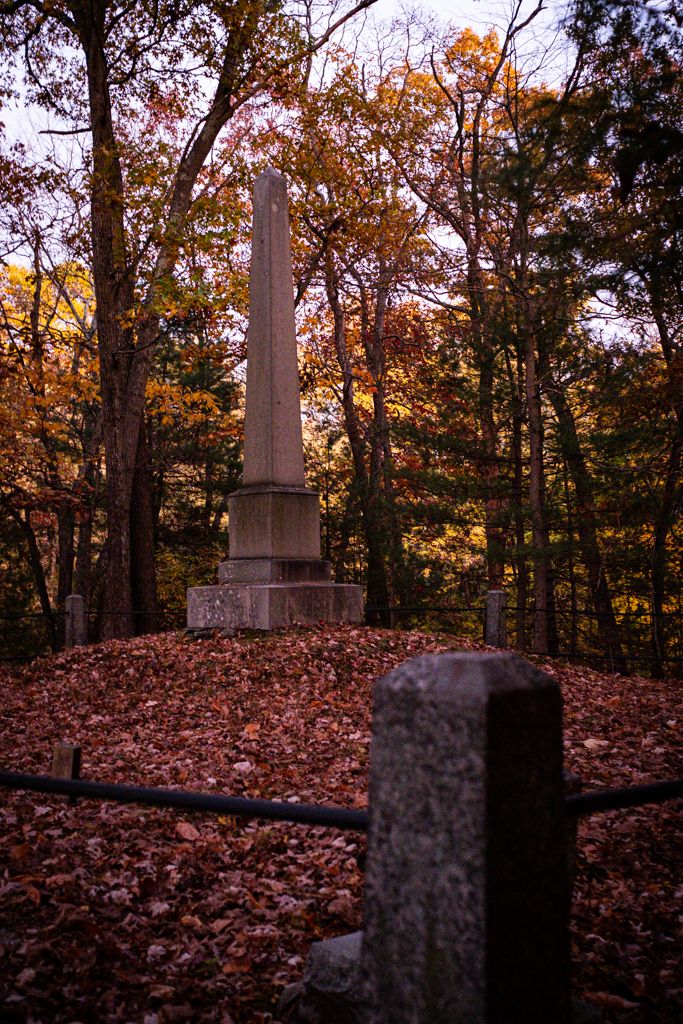
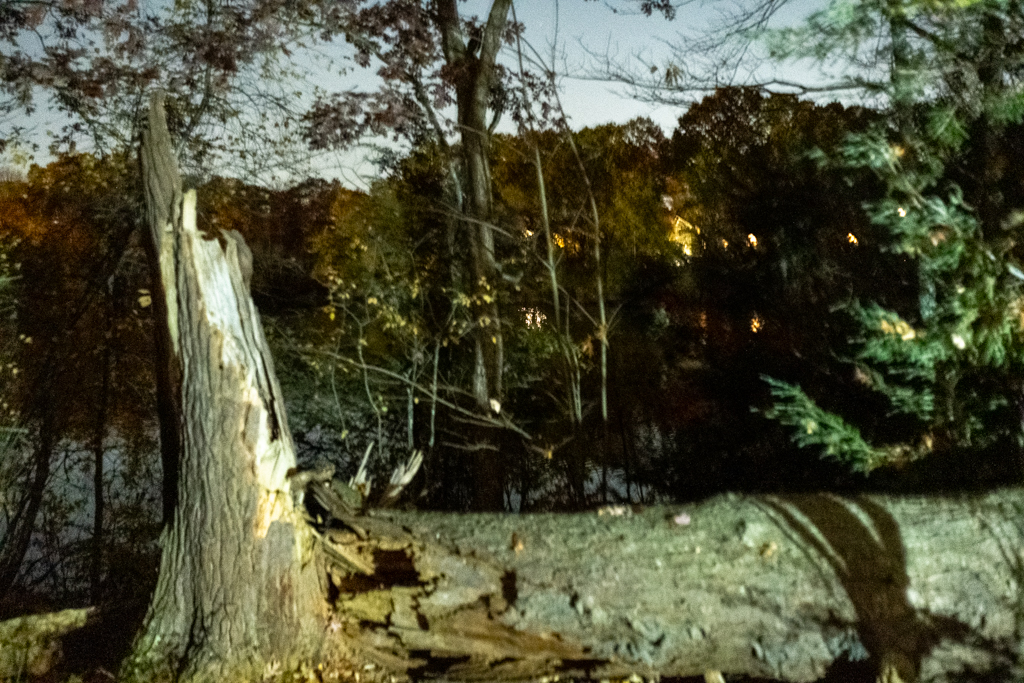
The cemetery sits within a distinctive landscape of hemlock and pine trees. The loss of hemlocks due to wooly adelgid blight has changed portions of the surrounding woodland, with fallen trees serving as a reminder that even historic landscapes continue to evolve.
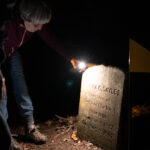
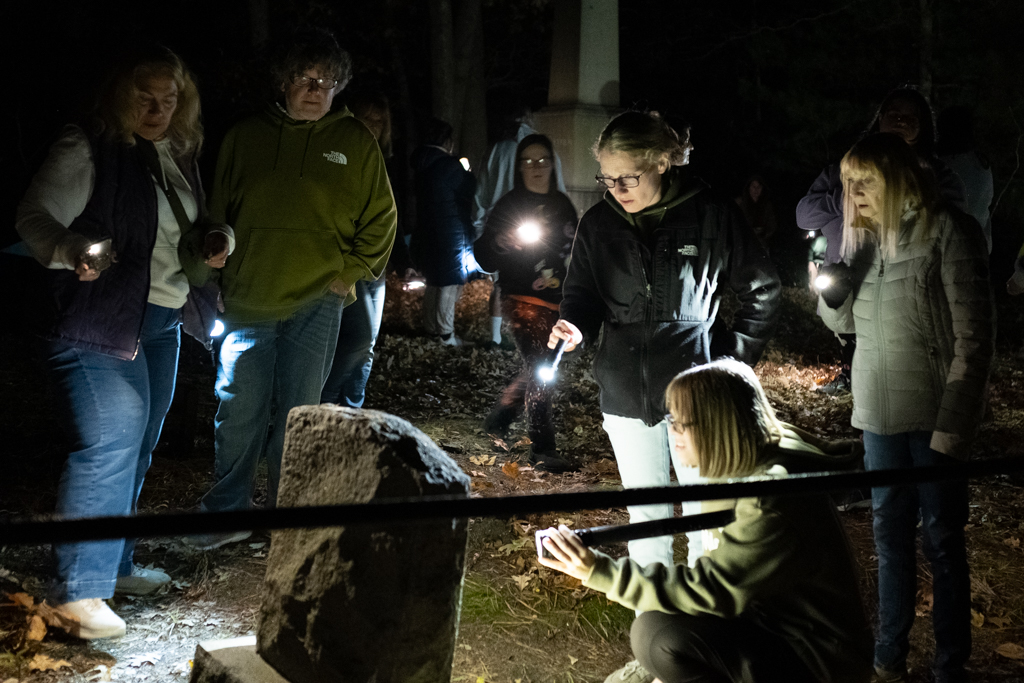
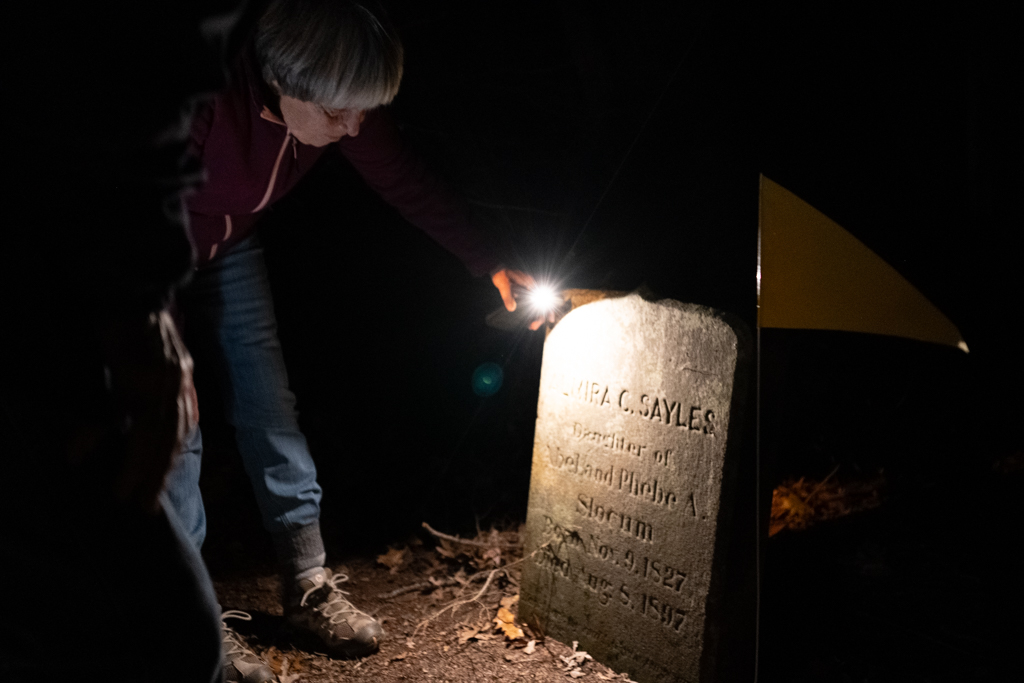
With flashlights illuminating the path and gravestones, visitors gathered to hear the stories of the people who once lived and worked in this part of Attleboro.
The Dodge Family and the Rise of Dodgeville
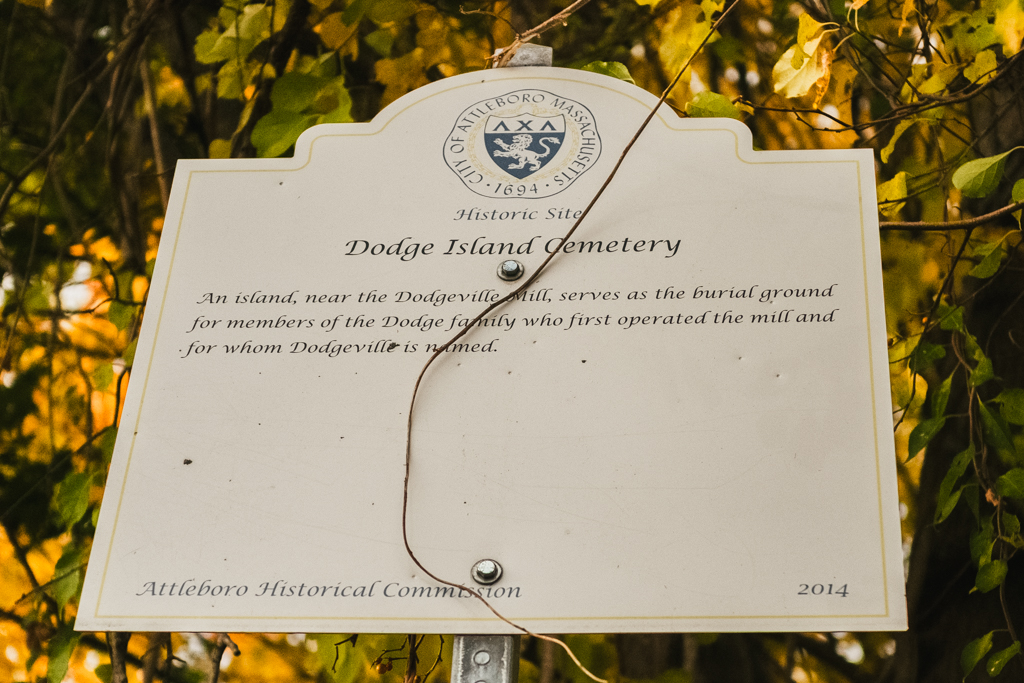
The history of Dodge Island Cemetery is closely connected to the industrial development of Dodgeville.
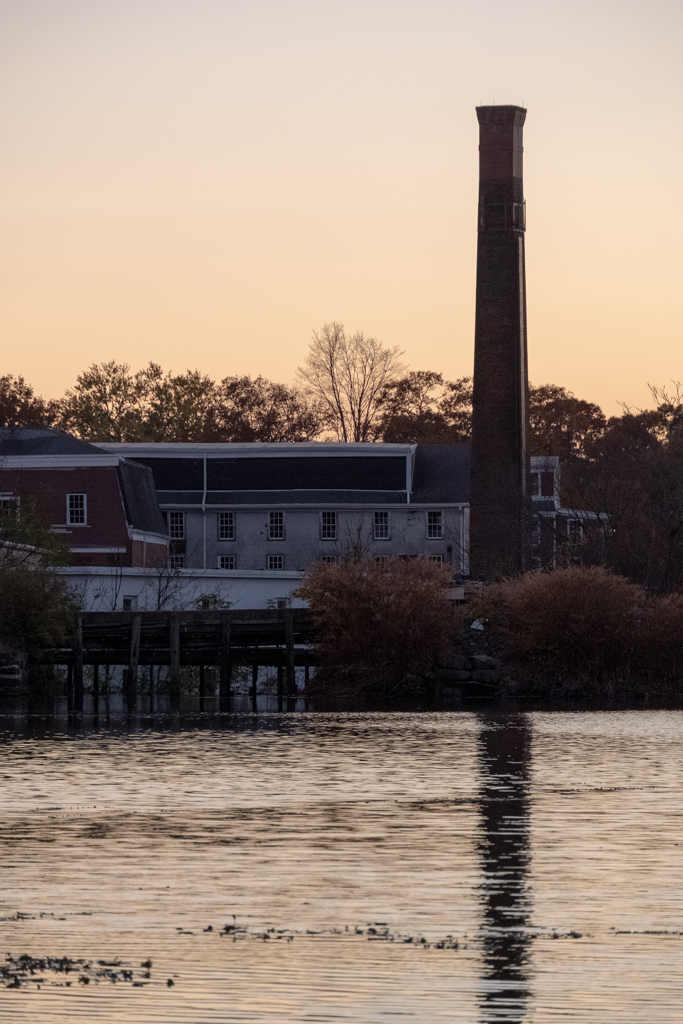
Beginning in 1809, the Dodgeville Cotton Mill operated along the Ten Mile River, taking advantage of the river’s waterpower. To maintain a reliable supply of water for the mill, reservoirs were constructed upstream, and water rights extended to areas including Lake Mirimichi, the Wading River, and the Bungay River.
This extensive water management system allowed mill operators to store and release water as needed, supporting the textile industry that helped shape the surrounding community. The Ten Mile River continues toward the Dodgeville Dam, located near the railroad tracks.
The Dodge family’s influence extended beyond the mills. During the evening’s presentation, visitors learned that the family sold land to the railroad company and, as part of the arrangement, received complimentary railroad travel privileges. These connections between industry, transportation, and local families offer a glimpse into how Dodgeville developed during the nineteenth century.

The Stories Behind the Gravestones
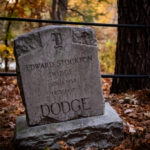
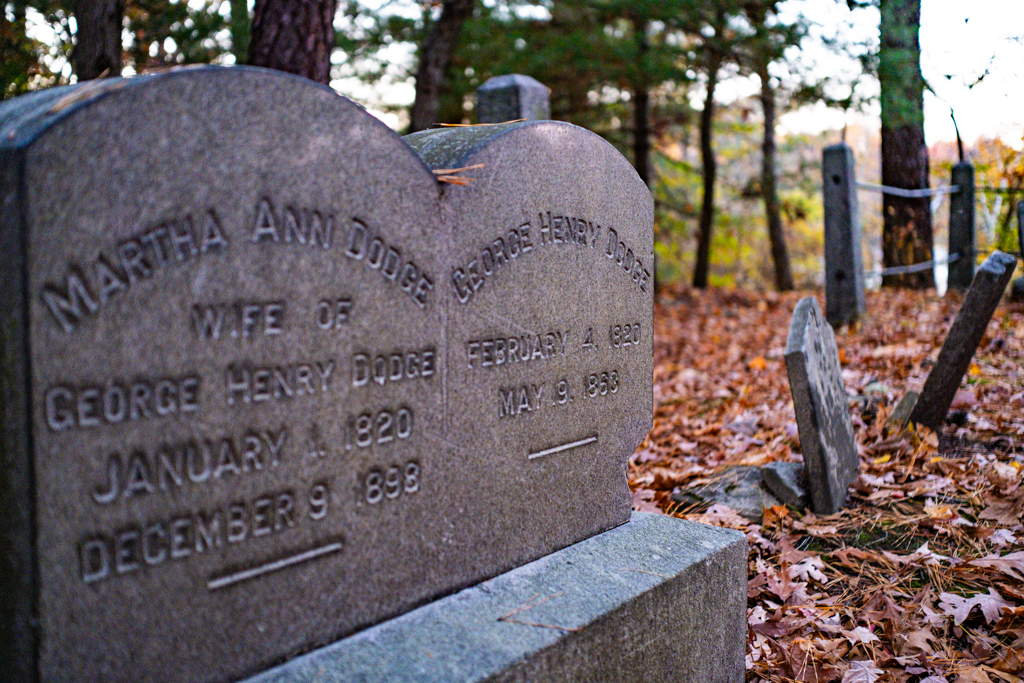
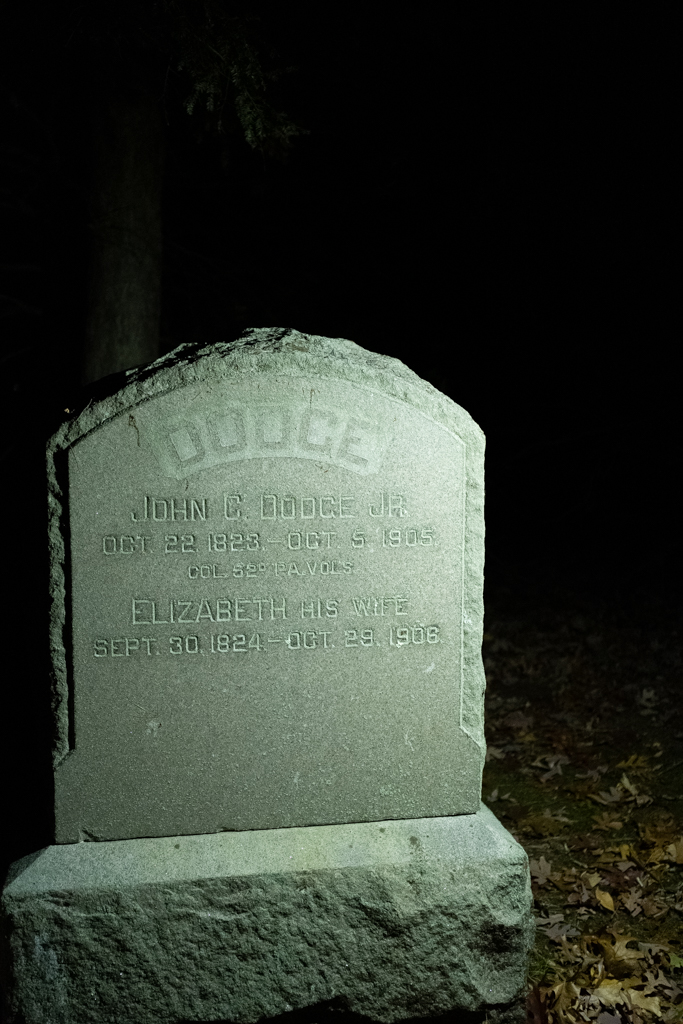
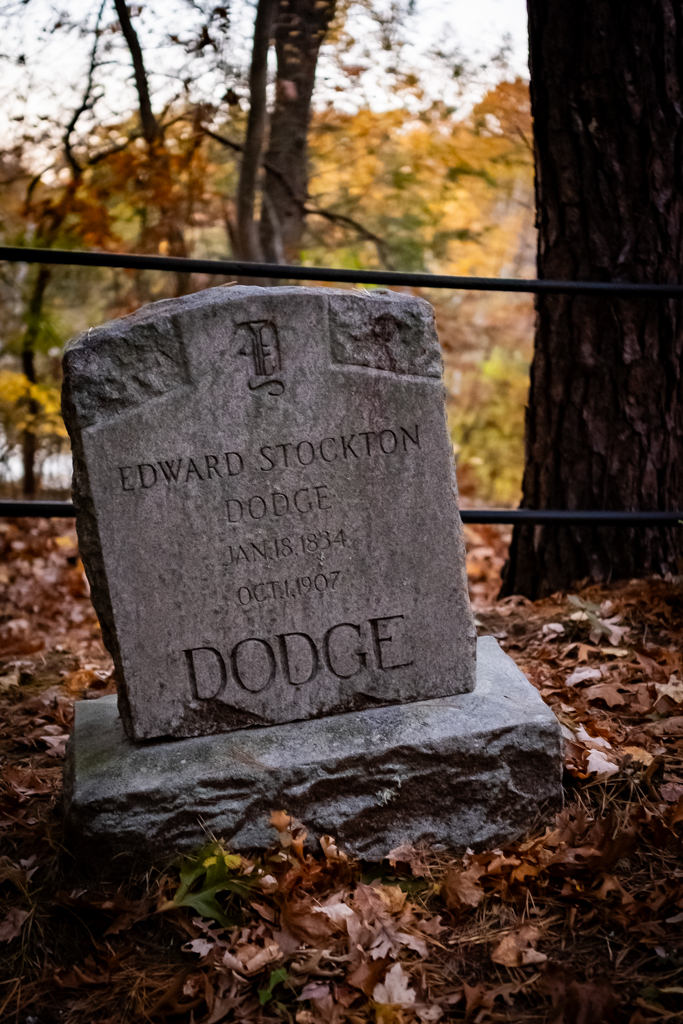
Dodge Island Cemetery contains 24 confirmed burials, preserving the memory of generations connected to the area’s early history.
Among the cemetery’s most prominent monuments is a tall obelisk dedicated to John C. Dodge, bearing the inscription “Our Father.” The words are particularly fitting, as Dodge was the father of 14 children.
Throughout the tours, visitors examined historic gravestones and learned about the individuals buried there, connecting the names and dates carved into stone with the larger history of Attleboro.
Preserving a Unique Historic Landscape
Beyond its historical significance, Dodge Island Cemetery is a remarkable natural setting. Surrounded by mature trees and located near the waters of Dodgeville Pond, the site offers a quiet connection to the area’s past.
The evening highlighted the importance of preserving not only historic monuments and burial grounds, but also the natural landscapes that surround them.
The Attleboro Historic Preservation Society extends its thanks to Ben and the Friends of the Ten Mile River, Rachel of AHPS, and everyone who attended for making the evening a memorable exploration of local history.
Thank you for joining us in preserving and sharing Attleboro’s history.
Photography by Shawn Viveiros