AHPS Hosts Engaging Lecture and Old Powder House Tour at Oldtown Church
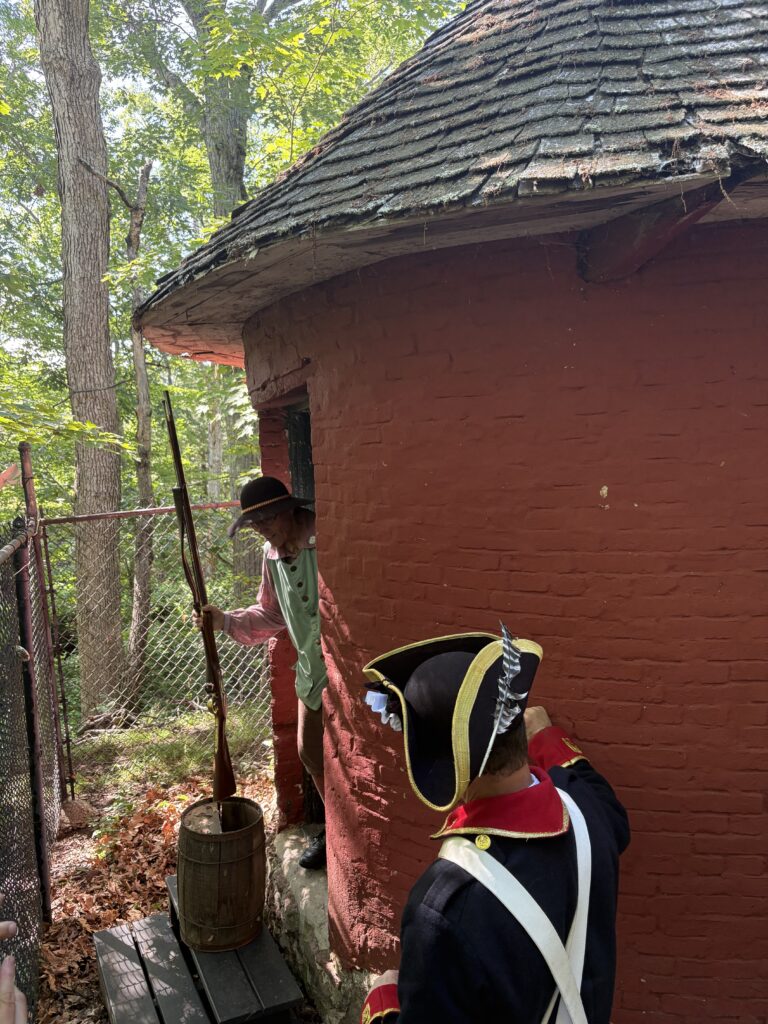
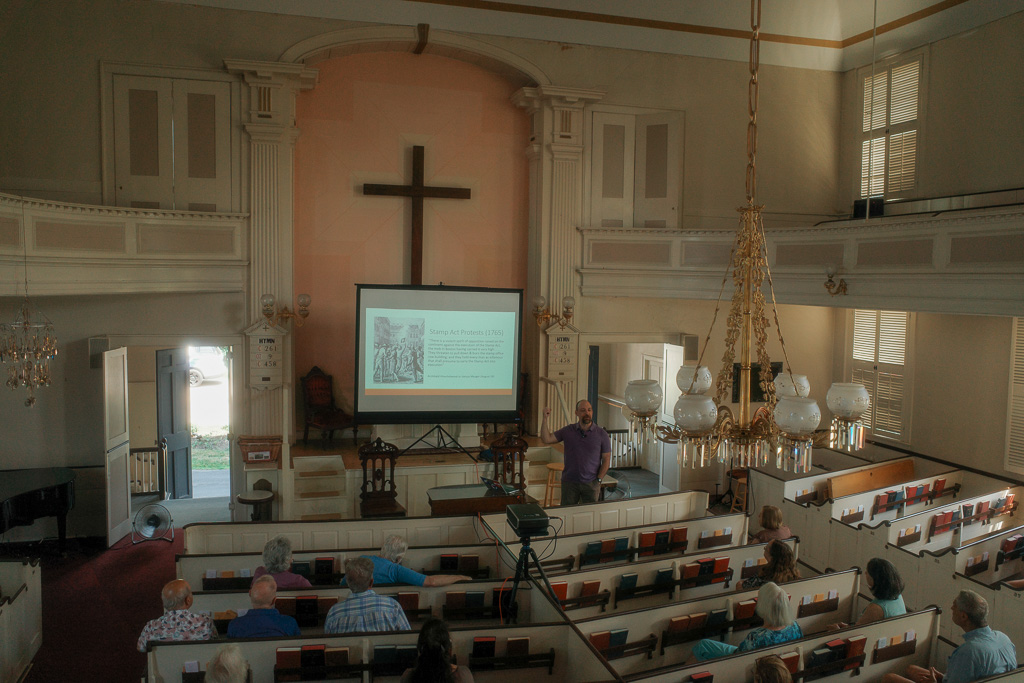
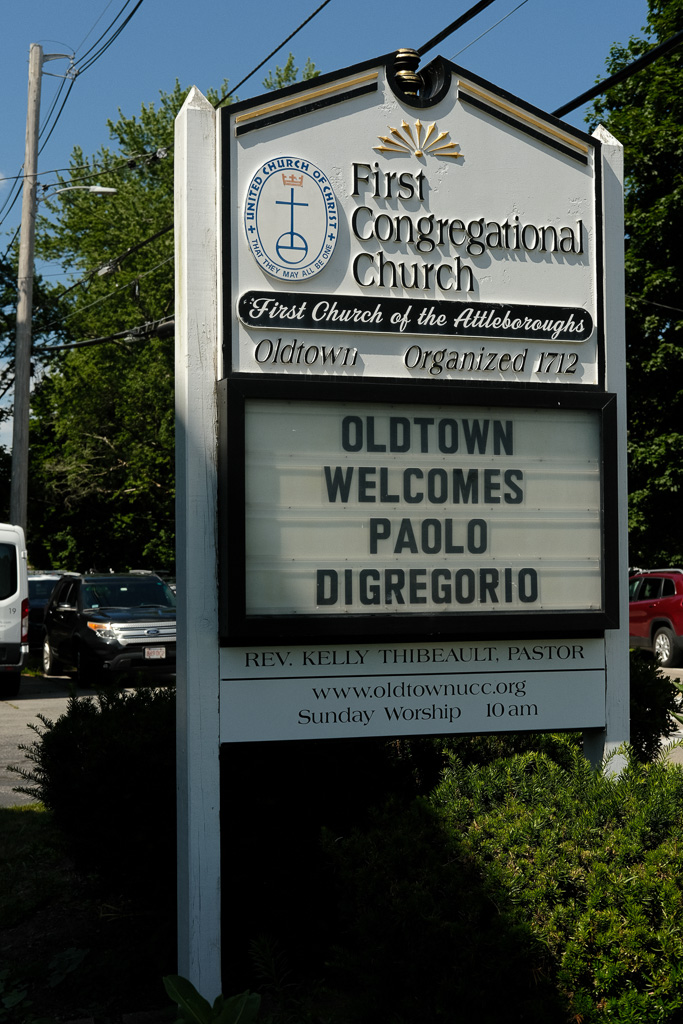
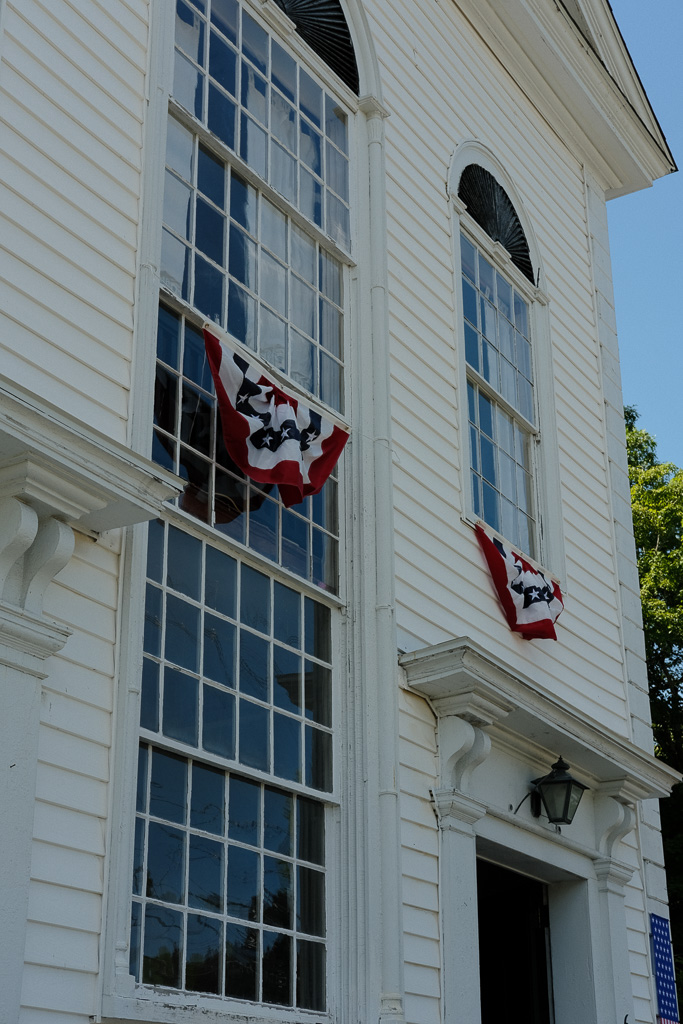
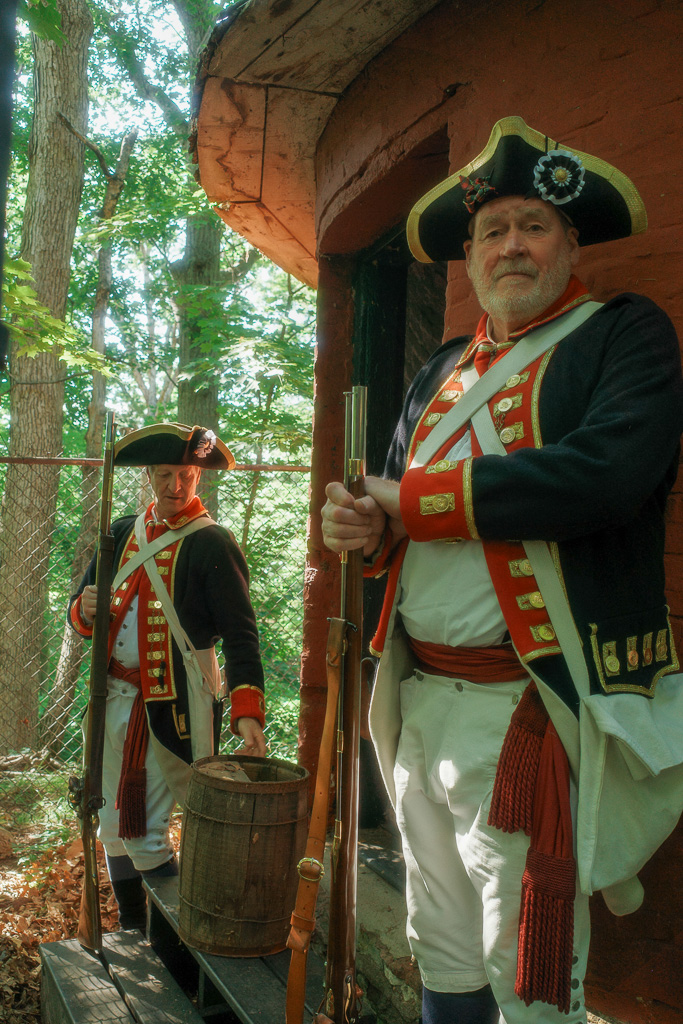
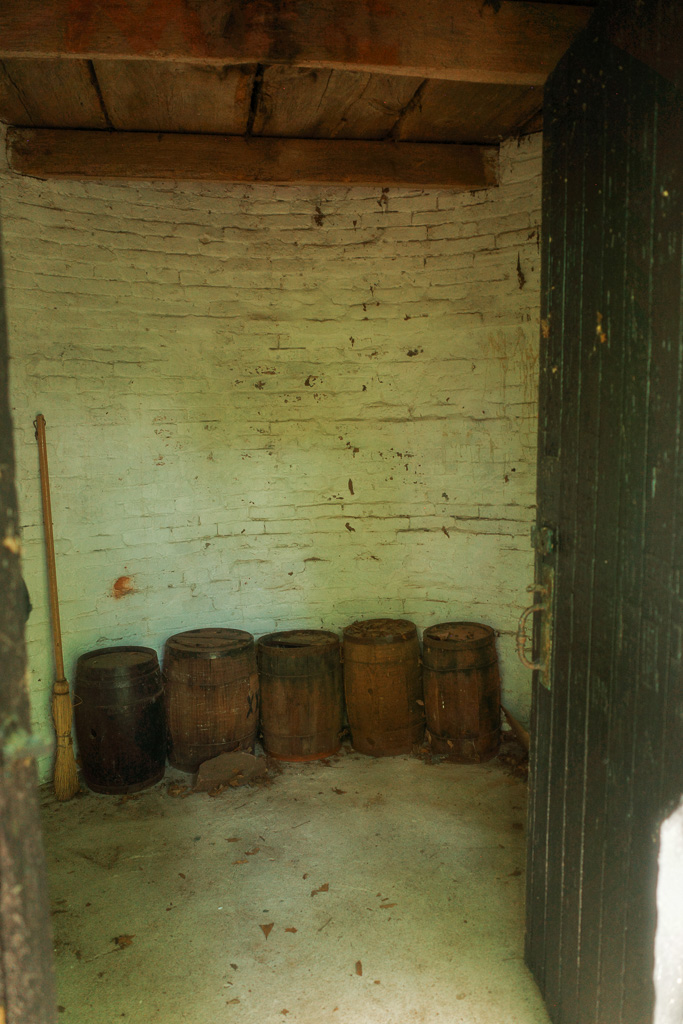
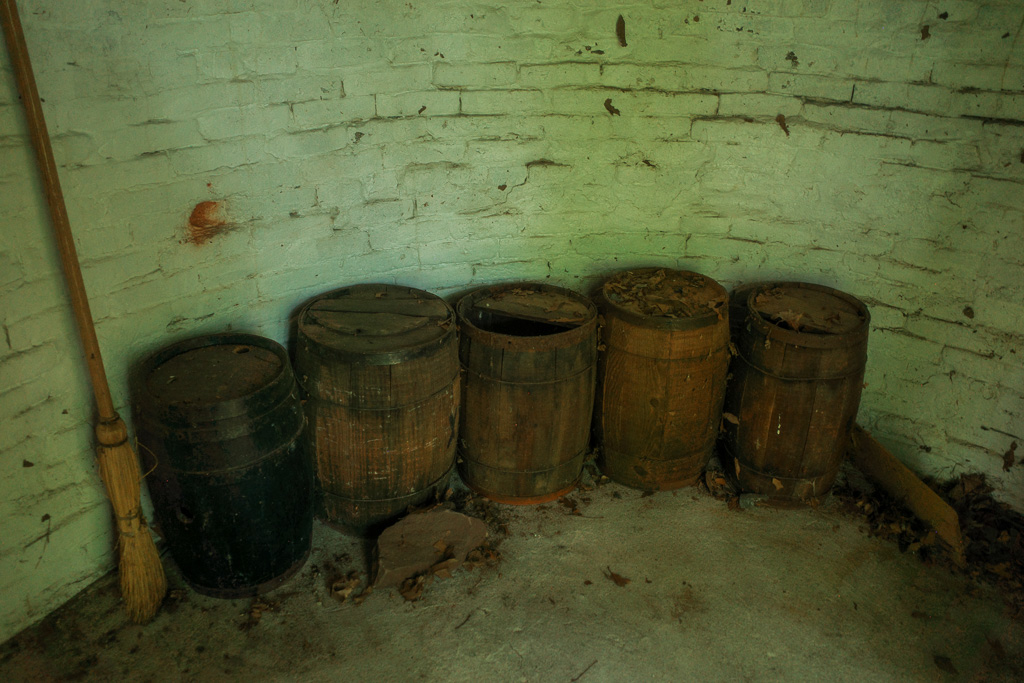
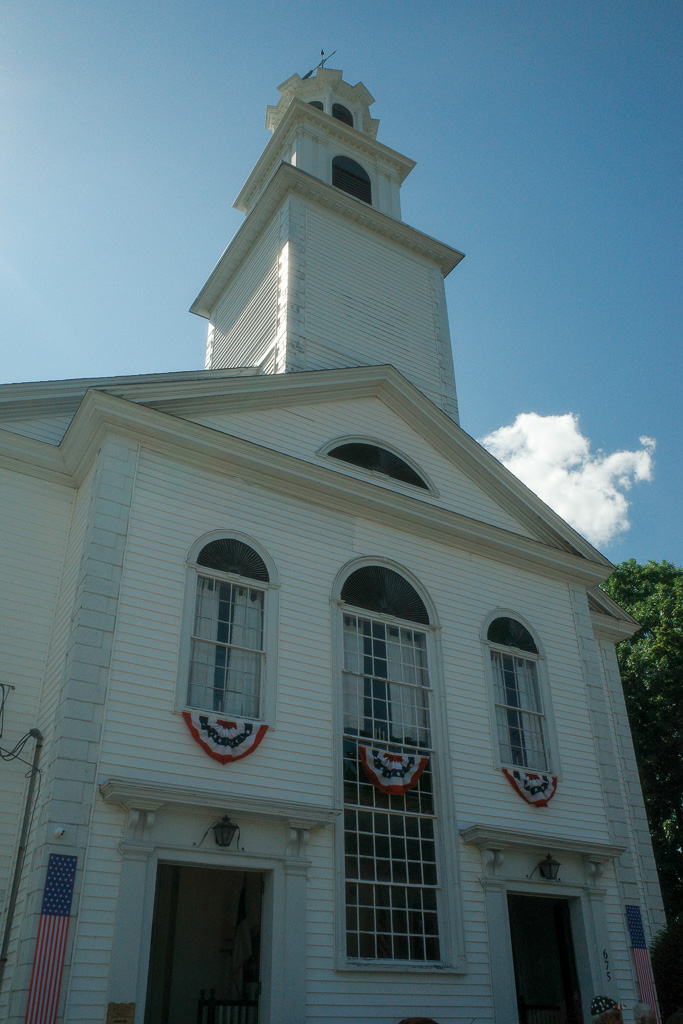
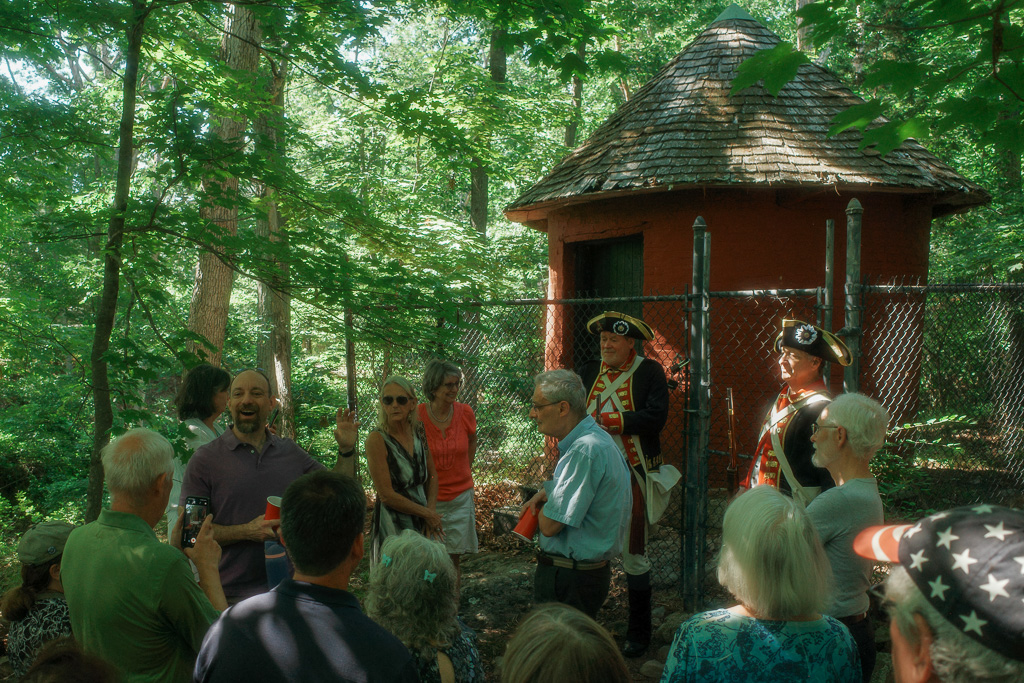
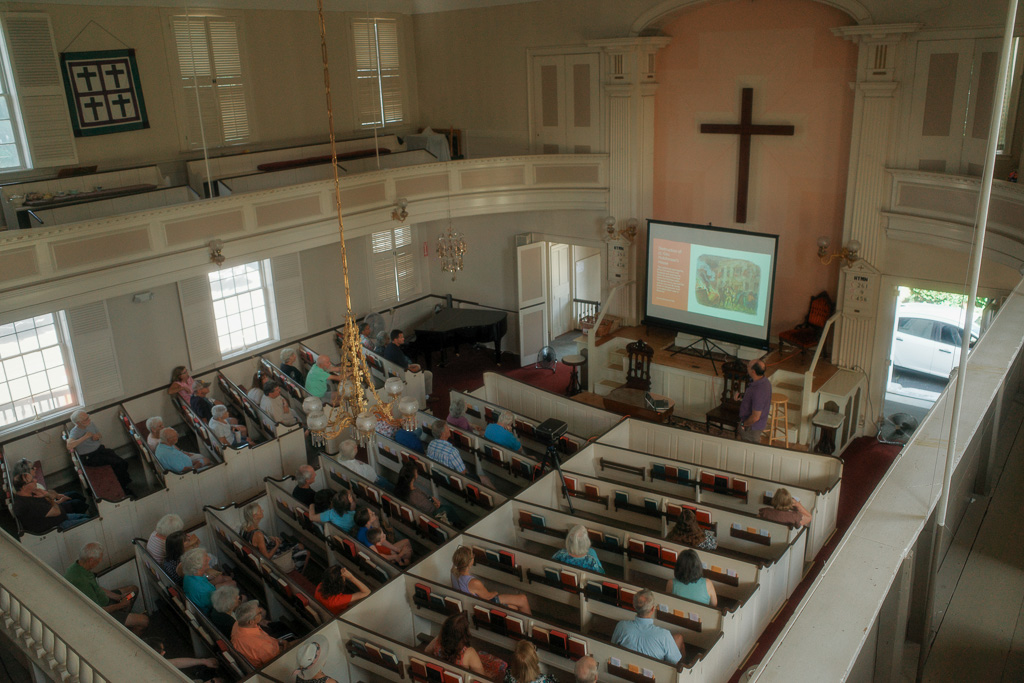
On Saturday, July 12, nearly 50 attendees gathered at the historic First Congregational Church of the Attleboroughs (Oldtown Church) for an afternoon exploring the events that shaped our nation’s fight for independence. Following the lecture, guests crossed the street to visit one of Attleborough’s most significant Revolutionary War landmarks—the Old Powder House, where participants were able to step inside the 18th-century structure and learn about its role in the community’s defense.
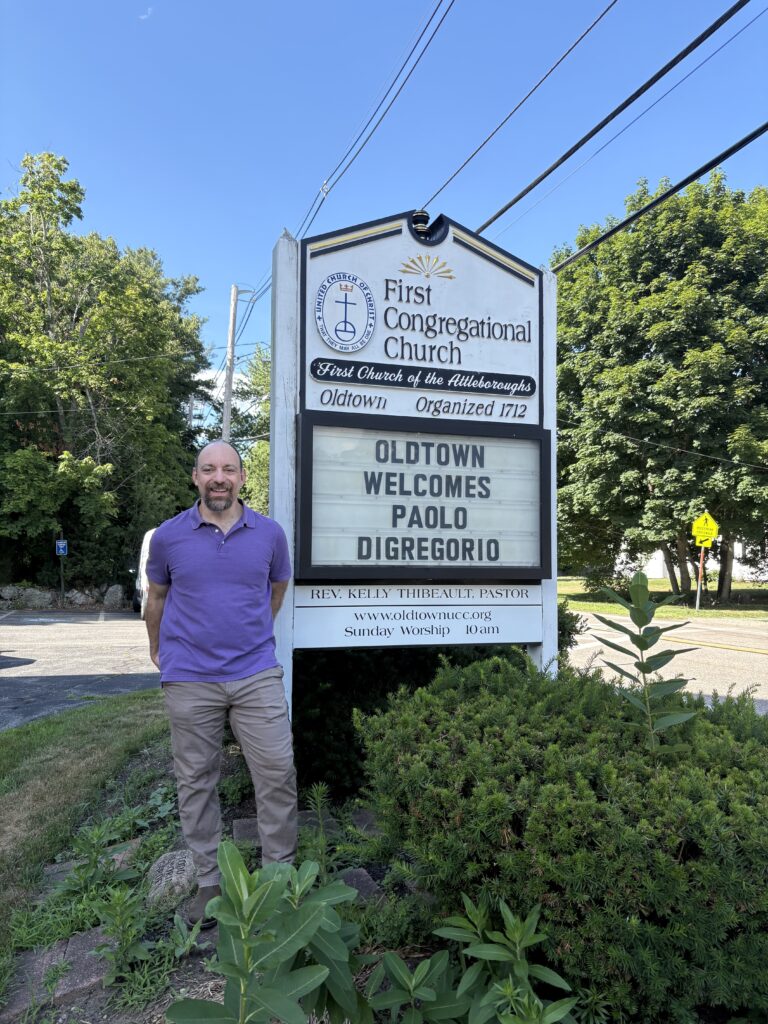
Presented by Paolo DiGregorio, the program reminded attendees that the American Revolution did not begin with the crack of a musket at Lexington. Instead, it began years earlier through ideas, protests, and ordinary citizens who believed their rights were worth defending.
The presentation traced the growing tensions between Great Britain and the colonies, beginning with the Stamp Act, the writings of James Otis and John Adams, and the now-famous principle of “No taxation without representation.” As Parliament continued to impose new taxes and assert its authority through measures such as the Townshend Acts and the Declaratory Act, resistance spread throughout New England.
Attendees followed the timeline through many of the defining moments that ignited the Revolution, including:
- The formation of the Sons and Daughters of Liberty
- The occupation of Boston by British troops
- The death of Christopher Seider in 1770, whose funeral drew thousands and demonstrated growing colonial unity
- The Boston Massacre
- The Gaspee Affair
- The Tea Act of 1773 and the Boston Tea Party
- Parliament’s harsh response through the Intolerable Acts
The lecture then turned its focus closer to home, highlighting how Attleborough and the surrounding region played a far more important role than many people realize.
One of the afternoon’s most meaningful discussions centered on the Attleborough Solemn League and Covenant, signed in 1774. The covenant represented a unified commitment by local citizens to resist British policies through economic action and cooperation with Boston. Rather than standing on the sidelines, the people of Attleborough actively joined a growing movement that united towns across Massachusetts.
The presentation also explored the Suffolk Resolves, which inspired the formation of the First Continental Congress, and the Continental Association, whose principles echoed many of the commitments first expressed in local covenants throughout New England.
Closer to home still, attendees learned about the Daggett Raid of the spring of 1775, when Colonel John Daggett assembled local men during the march toward Freetown, capturing Loyalists and demonstrating that the Revolution had already reached Bristol County before many of the famous battles were fought.
By the time the lecture concluded with the events at Lexington and Concord, one message had become clear:
The Revolution began in the hearts and minds of the colonists long before the first shot was fired.
Southern Massachusetts and Rhode Island were not merely places where history happened—they were communities where revolutionary ideas were debated, embraced, and transformed into action. Attleborough’s story is one of ordinary citizens making extraordinary choices that ultimately helped shape the birth of a new nation.
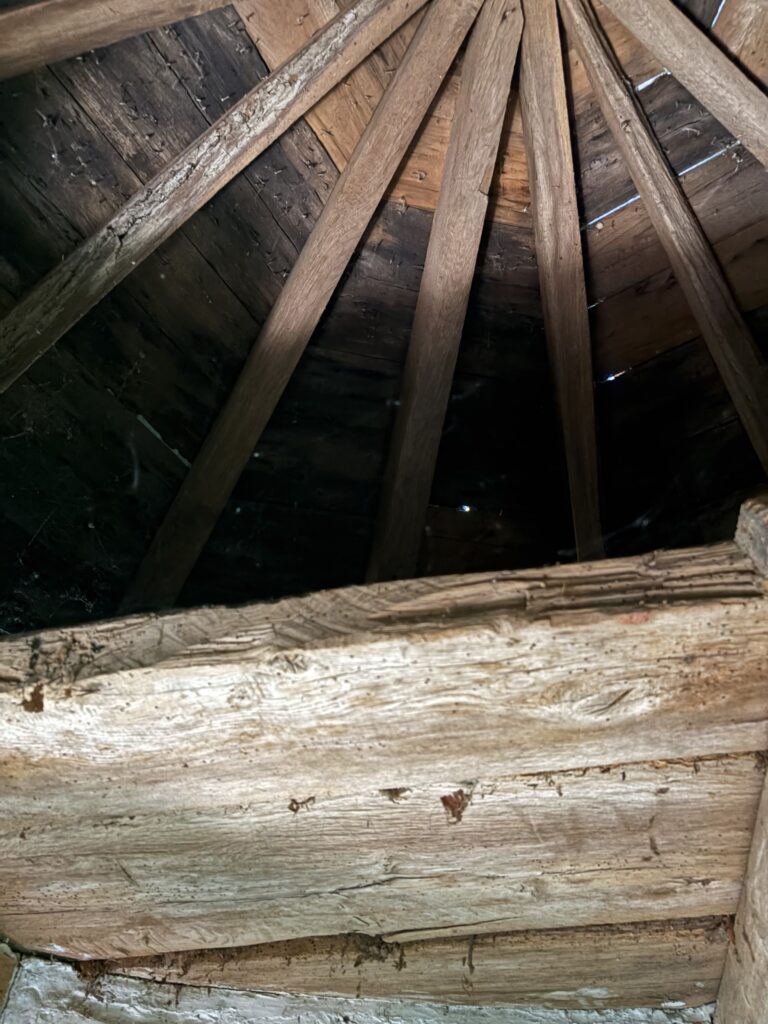
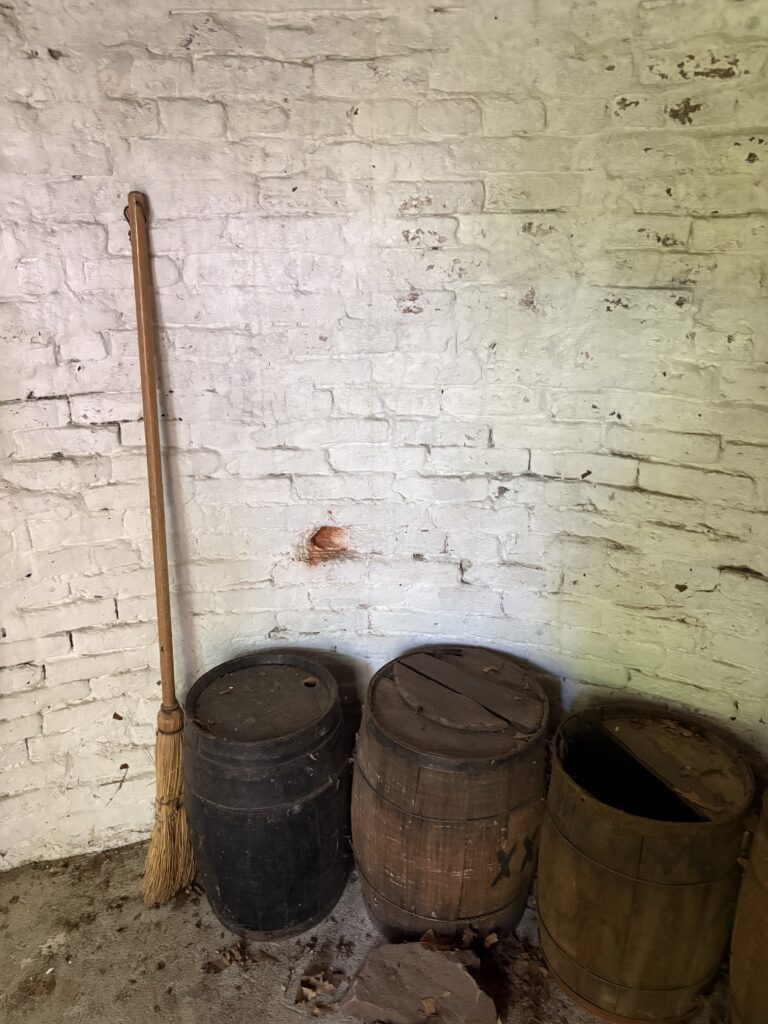
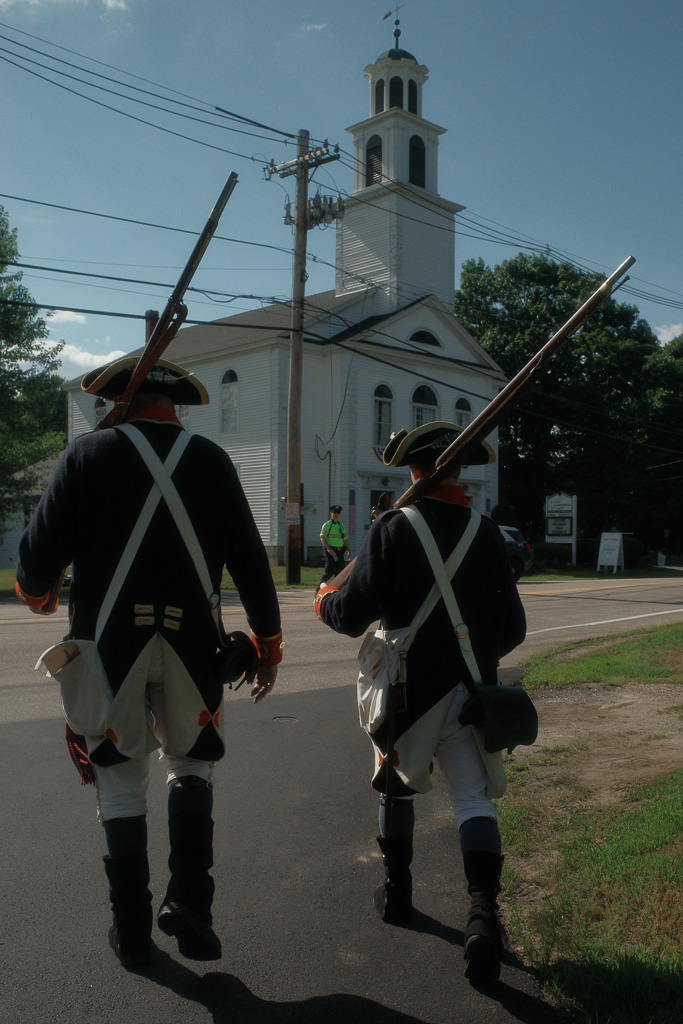
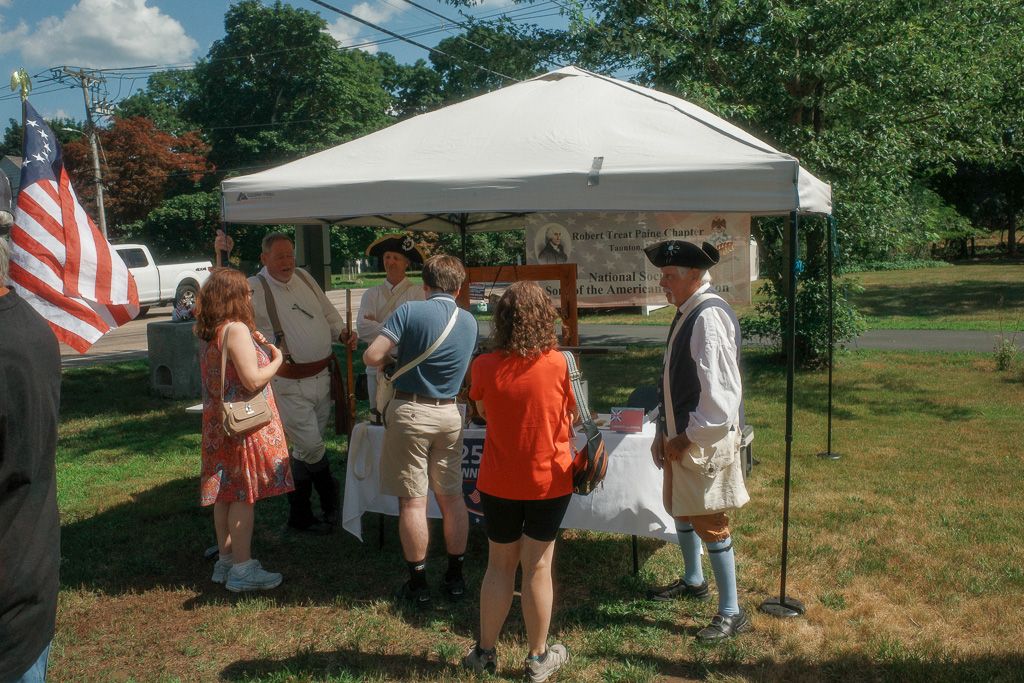
Following the presentation, attendees enjoyed a guided visit to the Old Powder House, where Revolutionary War reenactors explained how gunpowder and military supplies were stored and protected during the colonial period. The tour offered a rare opportunity to experience one of Attleborough’s oldest surviving Revolutionary-era structures while learning about the daily realities of preparing for conflict.
The Attleboro Historical Preservation Society extends its sincere thanks to Paolo DiGregorio for sharing his knowledge and passion for local Revolutionary history, to the First Congregational Church of the Attleboroughs (Oldtown Church) for hosting the event, and to the Revolutionary War reenactors who helped bring the period to life.
Events like these continue to demonstrate that Attleborough’s history is not simply a collection of dates and buildings—it is the story of the people whose convictions helped build the nation we know today.